
The Viral Story of Punch the Monkey
Recently, a baby monkey named Punch captured global attention after videos showed him tightly hugging a plush toy. The touching scenes spread quickly across social media, with millions of people feeling sympathy for the tiny monkey and his unusual companion.
Punch lives at Ichikawa City Zoo in Japan. Shortly after he was born, his mother rejected him — something that occasionally happens among primates. Without maternal care, zookeepers had to step in to raise him.
When Punch was later introduced to a troop of other monkeys, things didn’t go smoothly. The young macaque struggled to integrate with the group and often seemed anxious or alone.
That’s when caretakers gave him a soft stuffed toy.
Almost immediately, Punch began holding onto it everywhere he went.
The Plush Toy That Became His Best Friend
The toy — a plush orangutan — became Punch’s constant companion. He hugged it, carried it around, and clung to it whenever he appeared nervous.
For observers, the sight was both heartbreaking and heartwarming.
But psychologists say Punch’s behavior isn’t unusual at all.
In fact, it reflects something deeply rooted in both animal and human psychology: the need for comfort objects.

A Famous Psychology Experiment Explains It
Punch’s behavior strongly resembles findings from a famous psychological study conducted in the 1950s by psychologist Harry Harlow.
In the experiment, baby monkeys were separated from their mothers and given two artificial substitutes:
-
A wire “mother” that provided milk
-
A soft cloth “mother” that provided comfort but no food
Surprisingly, the baby monkeys spent far more time with the soft cloth mother, even though it provided no nourishment.
The conclusion was groundbreaking: touch and comfort are essential for emotional development, sometimes even more important than food.
Punch’s plush toy appears to serve a similar role.
It provides a sense of security in an unfamiliar and stressful environment.
Why Comfort Objects Are So Powerful
Psychologists call items like Punch’s toy “transitional objects.”
These are objects that help individuals cope with stress, loneliness, or change.
Examples include:
-
Children sleeping with a stuffed animal
-
A favorite childhood blanket
-
A toy that provides comfort in new environments
These objects act as emotional anchors, helping the brain feel safe during uncertain situations.
Punch’s plush toy may be doing exactly that — giving him the reassurance he lost when his mother rejected him.

The Internet Fell in Love With Punch
Once videos of Punch hugging his plush companion appeared online, the story quickly went viral.
People around the world were deeply moved by the tiny monkey cuddling his toy. Many viewers described the moment as both adorable and emotional.
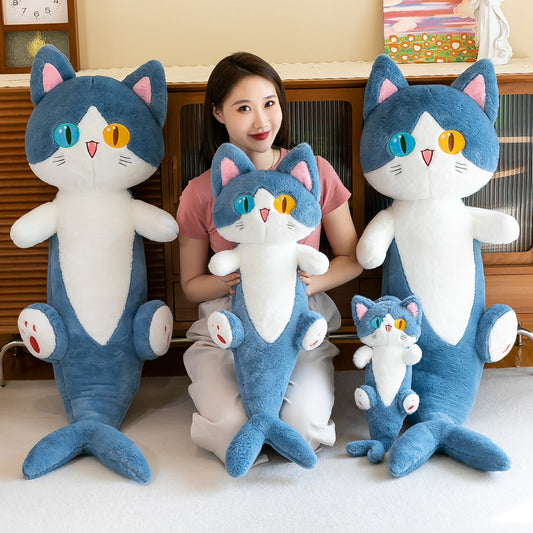
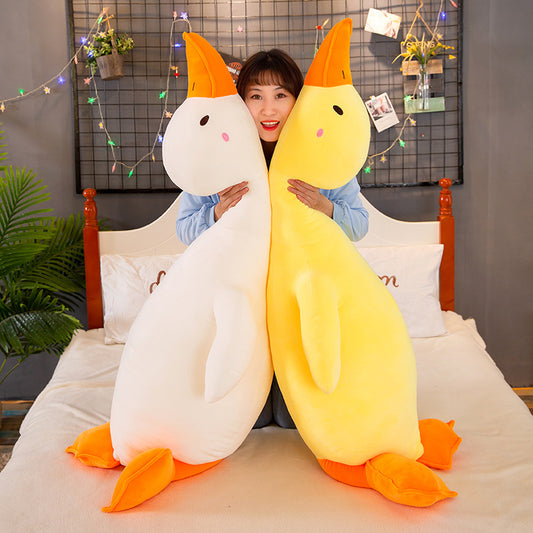
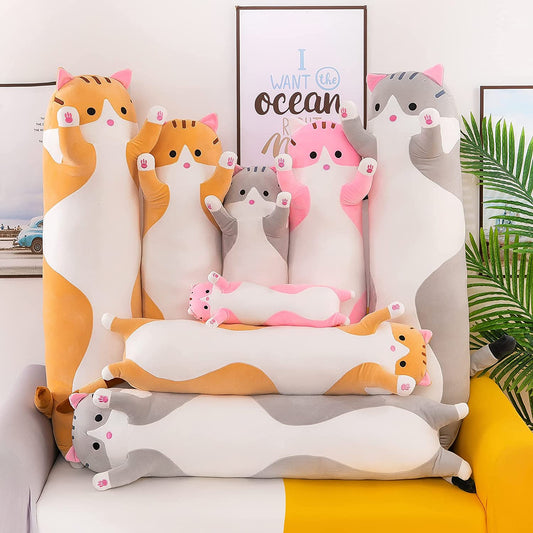
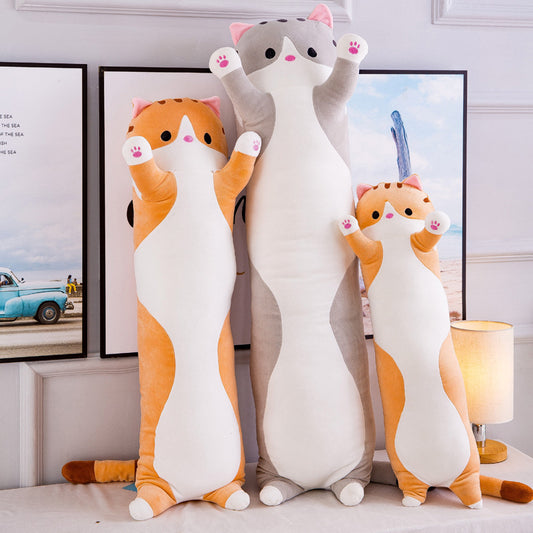
The specific plush toy Punch carries — an orangutan stuffed animal — suddenly became incredibly popular, with many people searching online to buy the same toy.
For many viewers, the story reminded them of their own childhood comfort objects.
Learning to Live Without the Plush
While Punch still relies on the toy for comfort, zookeepers hope that over time he will grow more confident interacting with other monkeys.
Young macaques must learn complex social behaviors to become fully integrated into their troop.
The plush toy is simply helping him through that transition.
And for now, it seems to be doing its job very well.
What Punch’s Story Teaches Us
Punch’s story resonates with people because it highlights a universal emotional truth.
Whether human or animal, we all seek something that helps us feel safe when life feels uncertain.
Sometimes it’s a parent.
Sometimes it’s a friend.
And sometimes, it’s something as simple as a soft plush toy.