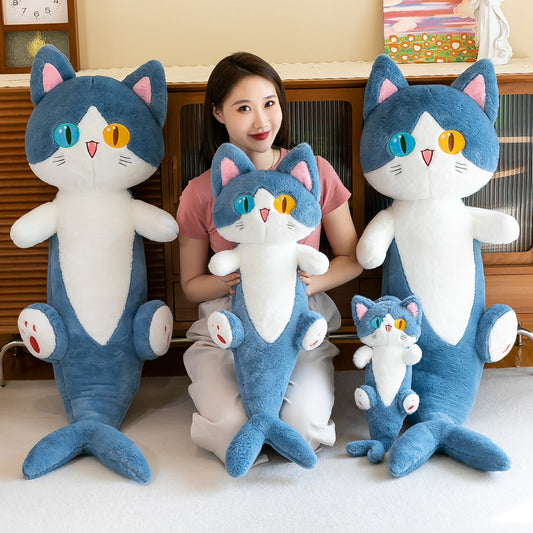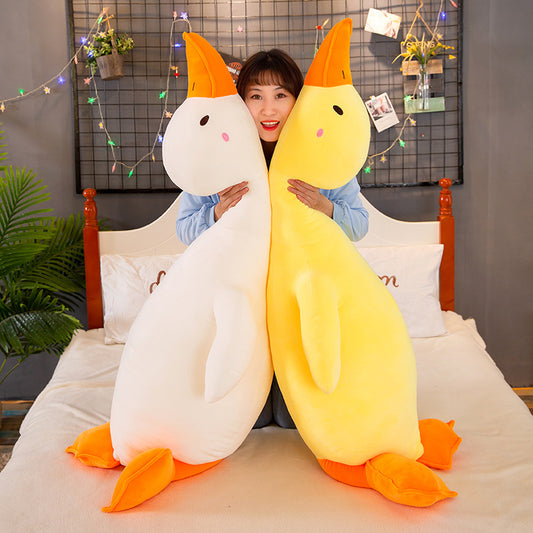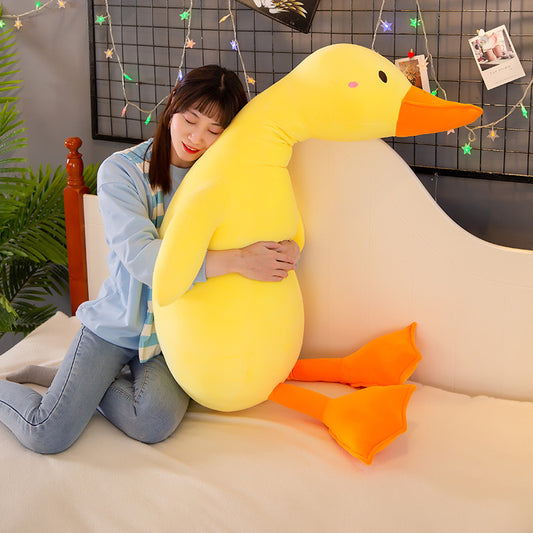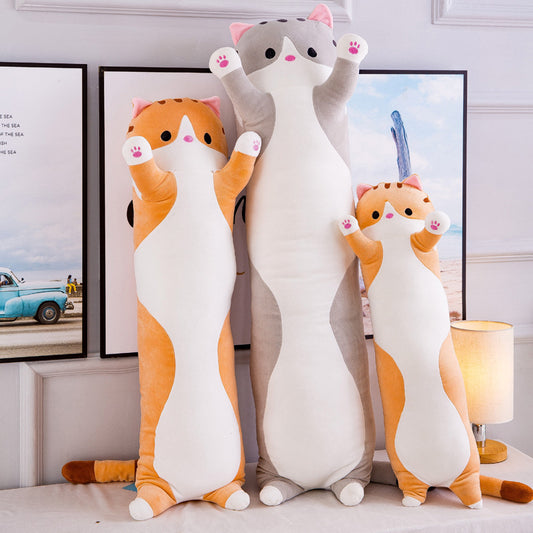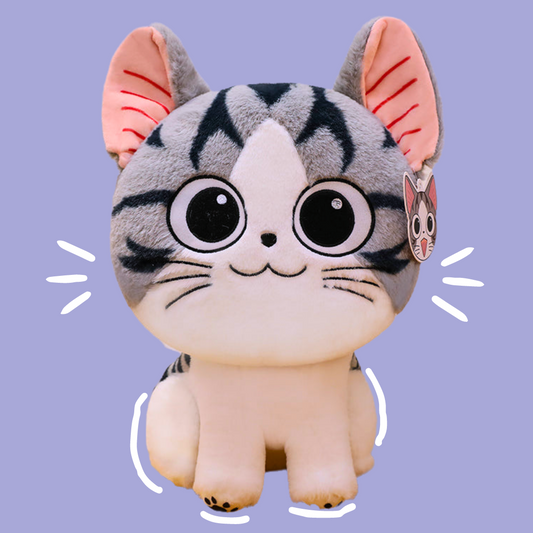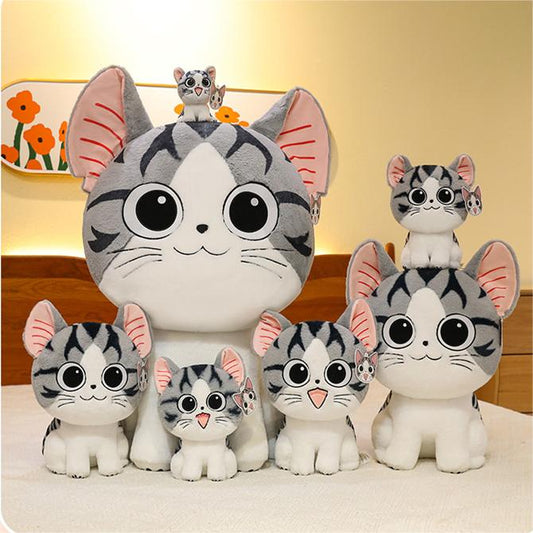

What started as a simple milk tea with chewy pearls has become a global phenomenon — inspiring cafés, fashion, fan art, and yes, adorable plush toys. In this article we trace how boba tea grew into a lifestyle and why boba plushies are the ultimate cuddly emblem of that trend.

1. A cultural sip: how boba went global
Boba tea — also called bubble tea or pearl milk tea — originated in Taiwan in the 1980s as a playful fusion of tea, milk, and tapioca pearls. Its rise wasn't only culinary; it rode the wave of youth culture: custom orders, colorful visuals, photo‑friendly cups, and social gatherings at local tea shops. Social media added rocket fuel: the colorful drinks, layered textures, and playful names made boba irresistibly shareable.
As boba shops spread from night markets to global highstreets, the drink became shorthand for an experience: personalization, small indulgences, and a sense of community. That shared experience created space for spin‑offs — branded merchandise, art, fashion, and collectibles.
2. Why objects matter: turning taste into tokens
Food and drink fandom often produces objects: think branded tumblers, enamel pins, and plush mascots. Boba culture followed the same arc. Fans wanted tangible items that signaled their love — something that could live on a desk, a bed, or a shelf even after the cup is gone.
Boba plush toys answer that desire. They transform a fleeting pleasure into a long‑term companion: soft, squeezable, and instantly recognizable. For many buyers — collectors, gift‑shoppers, or kawaii lovers — boba plushies are miniature trophies of a shared identity.

3. What makes a great boba plush?
Not all plushies are created equal. Here are the design elements that turn a cute concept into a beloved snuggle partner:
- Signature silhouette — a rounded cup shape with a visible “pearl” element reads instantly as boba.
- Texture & fabric — ultra‑soft minky or plushpile for cuddling; embroidered eyes for durability.
- Scale & weight — small (hand‑held) to medium (hug‑friendly) sizes work best; a little stuffing weight helps them sit upright.
- Playful details — tiny straws, translucent bubble motifs, or removable accessories add personality.
- Safe construction — no loose buttons, secure stitching, and machine‑washable materials make them durable household companions.
4. Comfort & connection: why people snuggle plushies
Plush toys have long been associated with comfort. Neuroscience and psychology point to soft objects as sources of tactile soothing — they provide sensory feedback that calms the nervous system. A boba plush adds an emotional layer: it represents a comforting ritual (sipping a favorite drink) while also being a soft, safe object to hold.
For many, the plush is both a nostalgic object and a display of identity — a conversation starter, a comforting bedside presence, or a collectible that marks a favorite café or era.

5. Choosing and caring for your boba plush
Buying wisely and maintaining your plush will keep it snuggly for years:
- Choose quality over novelty: inspect seams, fabric type, and customer reviews before buying.
- Check cleaning instructions: many plushies are machine gentle or spot‑clean only. Use a laundry bag and low heat when in doubt.
- Storage: avoid direct sunlight to prevent fading; store in a breathable bag if you need to keep it long term.
- Repairs: small seam rips can be mended at home; keep a needle and thread handy for emergency fixes.
6. Design trends to watch
As the market matures, several trends are shaping the next wave of boba plush design:
- Customizable elements — detachable straws, changeable toppings, and name tags for personalization.
- Eco‑materials — recycled fillings, organic cotton covers, and lower‑impact dyes.
- Limited editions & collaborations — pop‑up cafés and artists partnering with toy makers to create collectible runs.
- Functional hybrids — plush toys that double as pillows, heat pads, or aromatherapy sachets.
7. Boba plush as brand & community tools
Brands — from indie makers to international chains — have learned to use plushies as marketing: limited‑run toys can drive traffic to shops, create social buzz, and reward loyal customers. For creators and small businesses, boba plushies provide an accessible product line with strong emotional appeal and shareability.

8. Final thoughts: more than a fad
Boba culture transformed a regional beverage into an international lifestyle. Its visual charm, social rituals, and strong emotional ties made it fertile ground for merchandising — and plush toys emerged as one of the most natural, enduring forms of expression. Whether you collect them, gift them, or simply hug one on a slow afternoon, a boba plush is a tiny, tactile piece of a global culture that loves personalization, playfulness, and comfort.
If you’re thinking about adding a boba plush to your shelf, look for thoughtful design, safe materials, and a size that fits how you like to cuddle — then enjoy the little reminder that sometimes comfort comes in soft, round packages.